

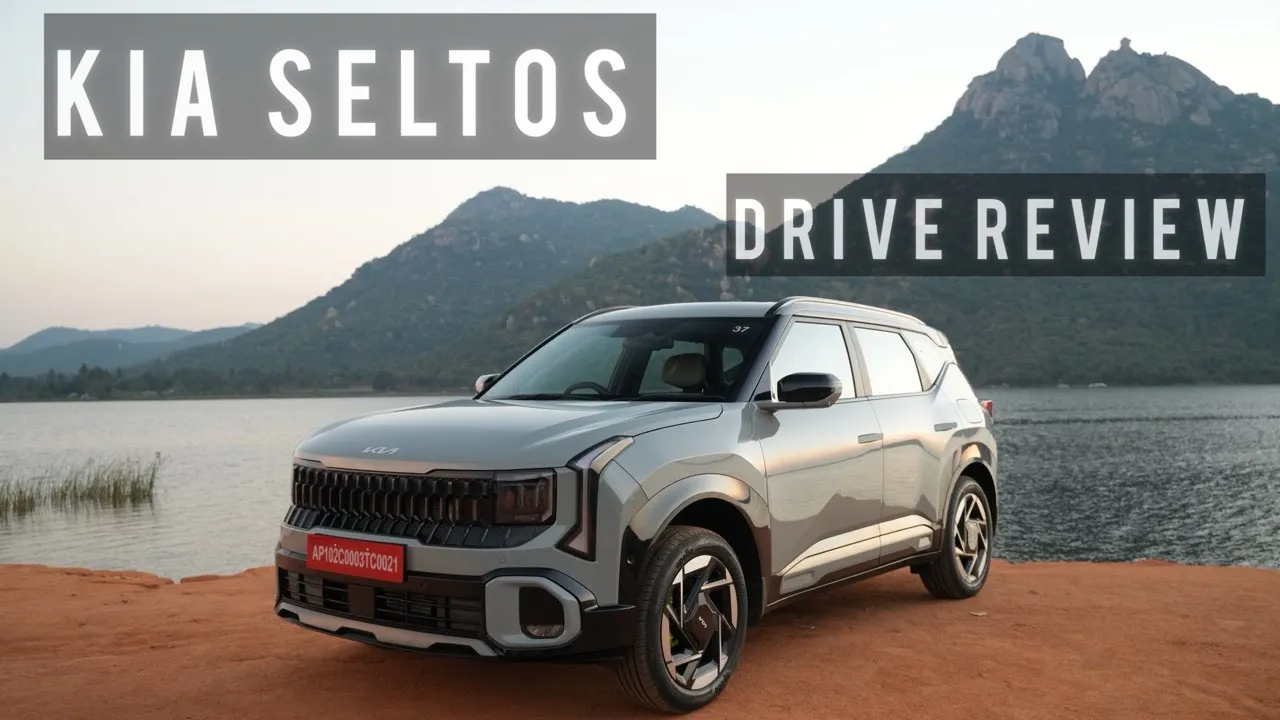
The Kia Seltos has always been a benchmark in the midsize SUV space. When it first arrived, it shook the segment with features, design and refinement that made competitors look a generation behind. Now in its second generation avatar for 2026, the Seltos does not try to reinvent itself. Instead, it refines what already worked and adds meaningful upgrades where they matter most.
Design
At first glance, the 2026 Kia Seltos feels familiar, but spend a few minutes around it and the changes start to reveal themselves. The SUV is larger than before, yet it remains a five seater. There is no third row, and that is honestly a good thing. Kia has focused on improving proportions rather than forcing extra seats into a space that does not belong there.
Up front, the full LED headlamps immediately grab attention. The lighting signature is sharp and modern, with vertical LED elements that double up as turn indicators. The tiger nose grille is still present, but it now feels more premium thanks to darker finishes and subtle chrome detailing. The front bumper uses a mix of gloss black and gunmetal accents, and this GT Line trim adds a sportier edge without going overboard.
Move to the side and the 18 inch alloy wheels dominate the profile. They look large for the segment, but they fill the wheel arches nicely and give the Seltos a planted stance. The neon coloured brake calipers are a surprise and add visual drama. Flush fitting door handles, blacked out pillars and roof rails create a floating roof effect that works well. The SUV looks muscular without trying too hard.
At the rear, the split LED tail lamps look clean and contemporary. They are not fully connected, but the design still feels cohesive. The rear spoiler has been reworked for better aerodynamic efficiency, and Kia claims improvements in drag reduction. Overall, the Seltos looks premium, modern and mature, without alienating existing buyers.
Interior
Step inside and the cabin immediately feels familiar yet improved. Kia has resisted the temptation to overload the dashboard with unnecessary screens. Instead, the layout is clean and functional. Materials are well chosen, with a mix of soft touch surfaces and textured plastics that feel durable.
The GT Line interior uses a beige and grey colour scheme that looks premium and is practical for Indian conditions. Darker lower sections on the seats make cleaning easier, while the mesh style headrests add a unique visual touch. The panoramic sunroof floods the cabin with light, making the interior feel airy and spacious.
Rear seat comfort is impressive. Knee room and foot room have improved thanks to the increased wheelbase, and under thigh support is adequate for long drives. The seats recline, there are ISOFIX mounts, three point seatbelts for all passengers and sunshades for the rear windows. The floor hump does intrude a bit for the middle passenger, but overall comfort remains good for a five seater family SUV.
Boot space has also increased. The wide opening makes loading luggage easy, and the 60 40 split rear seats add flexibility. The spare wheel is not full size on this variant, but that is a trade off most buyers will accept.
Front Cabin
The front cabin is where the 2026 Seltos truly shines. The flat bottom steering wheel feels good to hold and houses controls for ADAS, infotainment and drive modes. The dashboard design uses layers and textures to avoid looking flat or boring.
Physical buttons for climate control and volume are a welcome sight. They are large, easy to use and reduce distraction while driving. The dual zone climate control works efficiently, and the AC vents push out plenty of air even in harsh summer conditions.
The infotainment system is slick and responsive, with excellent colour contrast and minimal lag. The digital instrument cluster offers multiple themes that change with drive modes, and the blind spot camera feed displayed during indicator use is genuinely useful in daily traffic.
Wireless charging, multiple Type C ports, ventilated front seats, memory functions and ambient lighting elevate the experience. Kia has focused on usability rather than gimmicks, and it shows.
Engines and Performance
Kia continues to offer a wide range of powertrains, and that is a big plus. The 1.5 litre turbo petrol engine in this review produces 160 PS and 253 Nm and is paired with a seven speed dual clutch automatic. There is also a naturally aspirated petrol and a diesel option for buyers with different priorities.
On the move, the turbo petrol impresses with refinement. NVH levels are excellent, especially at cruising speeds. At 80 kmph, the engine sits at low RPM in seventh gear, making highway drives relaxed and stress free.
Acceleration is brisk without being aggressive. The Seltos is quick enough for confident overtakes and effortless highway cruising, but it never feels intimidating. Paddle shifters allow manual control, and gear shifts are quick and smooth when pushed.
Ride quality is well balanced. The 18 inch wheels do make sharp undulations noticeable, but the suspension filters out rough patches without transmitting noise into the cabin. Steering is light, predictable and easy to use in city traffic, while remaining stable at higher speeds.
Safety and ADAS
The ADAS system works smoothly and does not feel intrusive. Adaptive cruise control, lane assist and blind spot monitoring function as intended, adding an extra layer of confidence on highways. The steering gently corrects itself when needed, but always reminds you to keep your hands on the wheel.
The overall safety package feels mature and well calibrated, which is important for a family oriented SUV.
Verdict
The 2026 Kia Seltos does not chase trends blindly. Instead, it builds on a strong foundation and improves where it matters. It looks sharper, feels more spacious, drives better and continues to offer one of the most refined cabins in the segment.
If you are looking for a midsize SUV that balances performance, comfort, features and everyday usability, the new Seltos remains one of the easiest recommendations to make.
Also read: 2025 Kia Carens Clavis diesel MT fuel efficiency tested

