

Key highlights
- China plans to restrict powered and flush door handles after multiple safety incidents and rescue delays
- Concerns include doors failing to open during crashes, fires, and power loss situations
- Indian cars are rapidly adopting these designs. Regulation may need to catch up
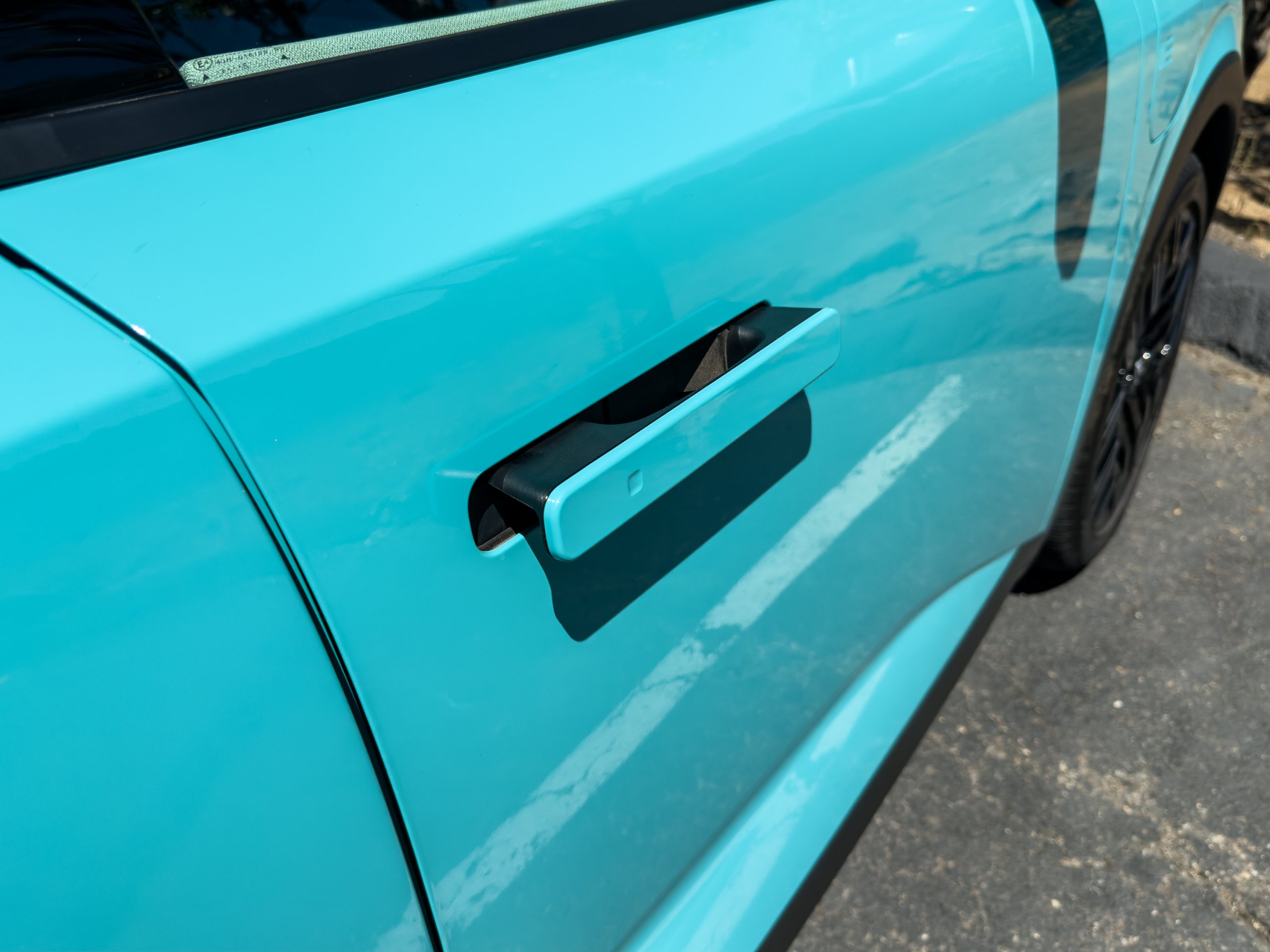
China is moving to curb the use of powered and flush door handles in cars, citing real world safety concerns. This includes handles that pop out electrically or sit completely flush with the body until activated.
The decision follows a growing list of incidents where doors failed to open after crashes, fires, or electrical failures. In several cases, occupants and first responders lost precious seconds trying to figure out how to open the door. In safety terms, that is unacceptable.
The move is significant because China is not just a car market. It is the global design lab for modern vehicles, especially EVs. What China bans today often forces global rethink tomorrow.
Why powered door handles are under fire
Powered door handles look cool. No debate there. They help with aerodynamics, reduce drag, and make a car look futuristic.
In many designs, the handle relies on electric motors, sensors, or touch inputs. During a crash, power can fail. Software can glitch. Motors can jam. When that happens, the door stays shut even if the structure around it is intact.
Rescue teams have flagged this repeatedly. In panic situations, even passengers struggle to locate manual overrides. Some cars hide them under trims or require a specific sequence of actions. That is fine in a showroom demo. It is a nightmare in smoke, fire, or shock.
China’s regulators are now pushing manufacturers to prioritise mechanical, intuitive door opening mechanisms.
Why this matters to India
India is walking straight into this design trend. Flush door handles are showing up everywhere. EVs, premium SUVs, and even mass market cars are jumping on the bandwagon. It looks premium. Buyers love it. Sales teams push it hard.
But India’s operating conditions are very different. High temperatures, dust, water logging, and uneven roads are not friendly to delicate motors and sensors. Add to that poor emergency response times in many regions, and the risk multiplies.
Indian safety regulations focus heavily on crash tests, airbags, and electronic aids. Door operability after a crash barely gets discussed. Yet, a door that does not open is a safety failure, no matter how many stars the car scored.
Do we need an outright ban?
What India does need is clarity. Cars with powered handles must have clearly marked, easy to access mechanical overrides. These should work without power.
Testing protocols should also evolve. Post crash door operability should become part of safety evaluation. If a door cannot be opened manually after a simulated power failure, that design should not pass quietly.
Also read: 2026 Kia Seltos launched at Rs 10.99-19.99 lakh – Read details

