

Key highlights
- Volkswagen Group introduces a voluntary retirement scheme for more than 2,000 factory workers in India.
- Both manufacturing plants continue to operate below capacity, prompting manpower restructuring.
- The move comes amid slow market growth and ongoing financial and operational challenges.
Volkswagen Group has kicked off a major restructuring exercise in India, offering early exit packages to workers at its two manufacturing plants in Maharashtra. The voluntary scheme targets around 2,300 blue-collar employees as the company recalibrates its production needs in a market where demand has been consistently unpredictable.
Which plants?
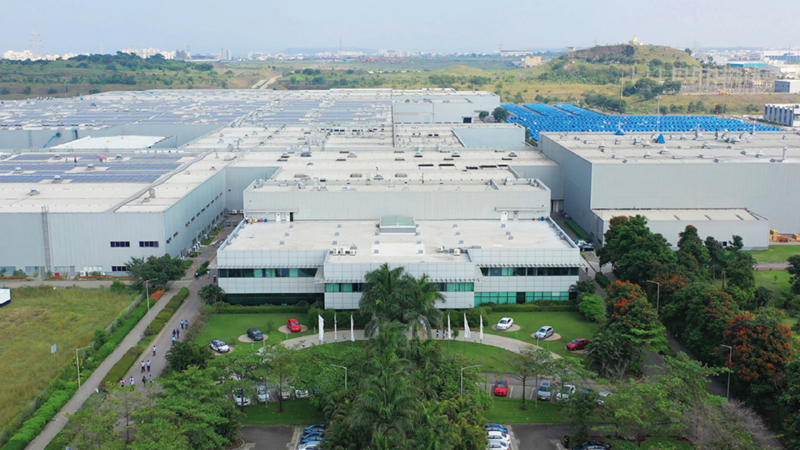
The early retirement scheme extends to both the Pune and Chhatrapati Sambhaji Nagar plants. These facilities produce popular models such as the Skoda Kushaq, Volkswagen Virtus, and Audi SUVs. Despite a broad product portfolio and exports to regions like Mexico and South Africa, the factories have been running below their installed capacities for several quarters. This has added financial pressure and reinforced the need for operational corrections.
The company is offering up to 75 days of pay for every year of service or remaining years until retirement, whichever is lower. Employees who opt in during the initial sign-up window will receive an additional incentive. The scheme has been rolled out after discussions with worker unions, and Volkswagen maintains that participation is completely voluntary.
Why this move?
This restructuring comes at a time when the company is battling multiple challenges in India. Its market share remains modest despite over two decades of operations. On top of that, the brand is dealing with ongoing regulatory and financial pressures that make cost optimisation a priority. Rationalising manpower has become an important part of Volkswagen’s long-term plan to stabilise its India operations.
However, the company has reiterated that it remains committed to the Indian market. It continues to explore new products, partnerships, and investment strategies that can help strengthen its presence in the world’s third-largest automotive arena. For now, the early exit program appears to be a move aimed at creating a leaner and more agile organisation.
Also read: Hyundai Grand i10 Nios crashes to 0-star GNCAP rating

