

Key highlights
- Honda is in talks to source a 1.2-litre engine from Horse Powertrain
- Petrol, CNG and hybrid powertrain options are being considered
- New India-focused compact SUV could enter production in October 2028
Honda is exploring a significant change in its powertrain strategy for India. The Japanese carmaker is reportedly in talks with Horse Powertrain to source a new 1.2-litre engine family for its upcoming compact SUV.
What is Horse Powertrain?
Horse Powertrain is a joint venture between Renault Group and Geely, with Saudi Aramco also holding a stake. The company develops combustion and hybrid powertrains and already has an India connection. The upcoming Renault Duster hybrid uses its 1.8-litre hybrid powertrain.
Honda compact SUV could get petrol, CNG and hybrid options
The proposed 1.2-litre engine could support petrol, petrol-electric hybrid and CNG applications. This would allow Honda to offer multiple powertrain choices on the same basic engine architecture while reducing the cost and development time involved in creating separate systems.
Honda currently relies on its own 1.2-litre and 1.5-litre petrol engines in India. However, tightening emission and fuel-efficiency requirements, along with growing demand for CNG and hybrid vehicles, could make developing multiple powertrains internally more expensive.
Horse Powertrain is also understood to be considering a local engine manufacturing facility in India. Local production could further help control costs if the arrangement with Honda materialises.
New Honda SUV could launch below the Elevate
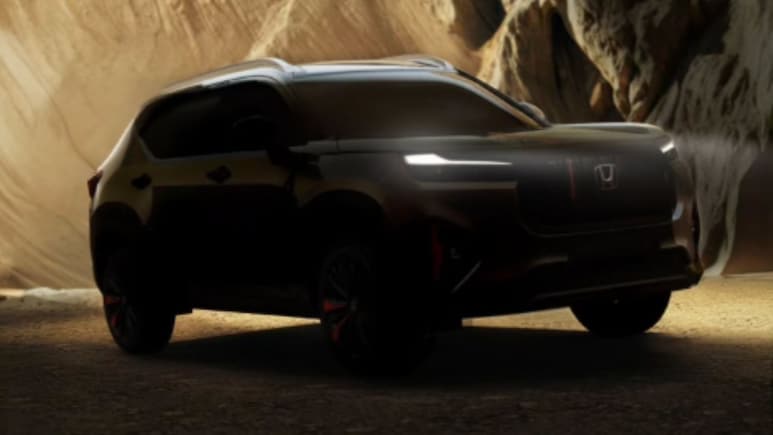
Honda has already confirmed that it is developing a new sub-4-metre SUV for India, expected around 2028. The upcoming model will mark the company’s return to this segment after the discontinuation of the WR-V.
The SUV is reportedly being evaluated using an existing Honda platform used in Indonesia. Project discussions have included a Rs 9 lakh to Rs 12 lakh price range, with production potentially starting in October 2028. However, Honda has not officially confirmed the engine supplier, platform, specifications or production timeline.
The company is also looking to reduce its vehicle development cycle from around 49 months to approximately 30 months, with greater involvement from engineering and technology partners.
Also read: Renault Duster hybrid to launch in India on October 17

