

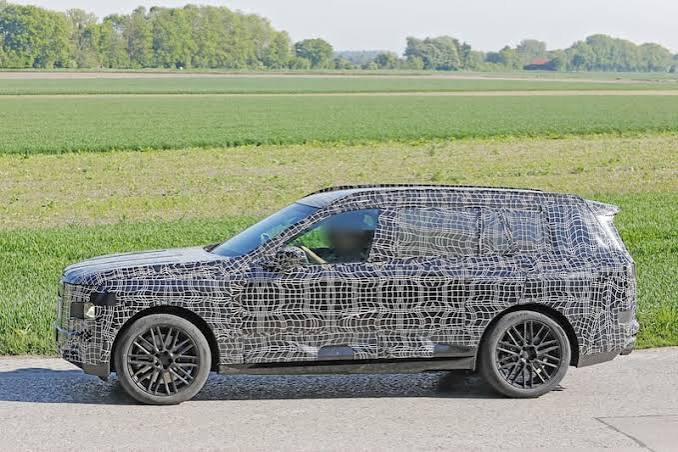
Key highlights
- BMW’s second-generation X7 is expected to debut in 2027, with an all-electric iX7 joining the range for the first time.
- The iX7 could get a battery pack of up to 150 kWh, with a targeted WLTP range exceeding 805 km.
- Petrol and diesel engines will continue, while a V8-powered Alpina version is also expected.
BMW’s flagship SUV is preparing for its biggest transformation yet. The second-generation X7 is expected to make its global debut in 2027, and for the first time, the range will include a fully electric version called the iX7. Interestingly, BMW isn’t planning to go all-electric with its largest SUV just yet. Conventional petrol and diesel options will continue alongside the new EV, while the performance-focused Alpina treatment is also expected to return.
The X7 has been BMW’s answer to full-size luxury SUVs such as the Mercedes-Benz GLS since its introduction in 2018. The upcoming generation is expected to take the nameplate further upmarket, with more technology, additional comfort features and a considerably more diverse powertrain line-up.
BMW iX7 new battery
The electric iX7 is arguably the biggest development here. It is expected to use a heavily updated version of BMW’s CLAR architecture, rather than the dedicated Neue Klasse EV platform. However, the revised architecture is expected to borrow several technologies from the Neue Klasse programme.
These could include an 800V electrical system, cylindrical battery cells and DC fast-charging capability of up to 460kW. The battery pack could have a capacity of up to 150kWh, with BMW reportedly targeting a WLTP range of over 805km.
Petrol and diesel engines will stay
For buyers who aren’t ready to make the switch to electric, the new X7 will continue with conventional powertrains. The entry-level xDrive 40 is expected to use a 3.0-litre turbocharged inline-six petrol engine with a 48V mild-hybrid system, producing around 400 hp and 540 Nm.
A 3.0-litre diesel inline-six with mild-hybrid assistance is also expected for European markets. The proposed xDrive 40d could develop approximately 313hp and 670Nm.
At the top of the regular combustion-engine range, the M60 xDrive is expected to retain its 4.4-litre twin-turbo V8, albeit with an increase over the current model’s 530 hp and 750 Nm. A plug-in hybrid or hydrogen fuel-cell version is not expected to be part of the new X7 line-up.
7 Series-inspired cabin
The next X7 is expected to borrow several design cues from the updated 7 Series. These could include a redesigned split-headlamp arrangement, larger kidney grilles and wider LED tail-lamps. The overall proportions are also expected to become more upright, with the new SUV measuring over 5,200mm in length.
Inside, BMW is likely to bring the X7 closer to its flagship 7 Series sedan. Expected highlights include the Panoramic Vision display, a 17.9-inch central touchscreen and a 14.6-inch passenger display. Rear occupants could get the massive 31.3-inch 8K Theatre Screen, along with touchscreen controls for climate and comfort functions. Automatic doors are also reportedly under development.
Also read: MG Windsor facelift expected in 2027 with a larger 61 kWh battery

