

Key highlights
- E100 fuel regulations approved by Nitin Gadkari
- E100-compatible vehicles can run on pure ethanol fuel
- Toyota, Suzuki, MG, and Hyundai flex-fuel cars to launch soon
Union Minister Nitin Gadkari has signed the E100 fuel regulation clearance in India. This begins a new chapter in Indian automotive history, as E100-compatible vehicles will be run by a higher blend of ethanol fuel. Know all the details about E100 and the future of the current cars below.
Also read: 2027 Kia Sonet and next-gen Hyundai Creta spied together in Manali
E100 fuel-compatible vehicles coming soon in India
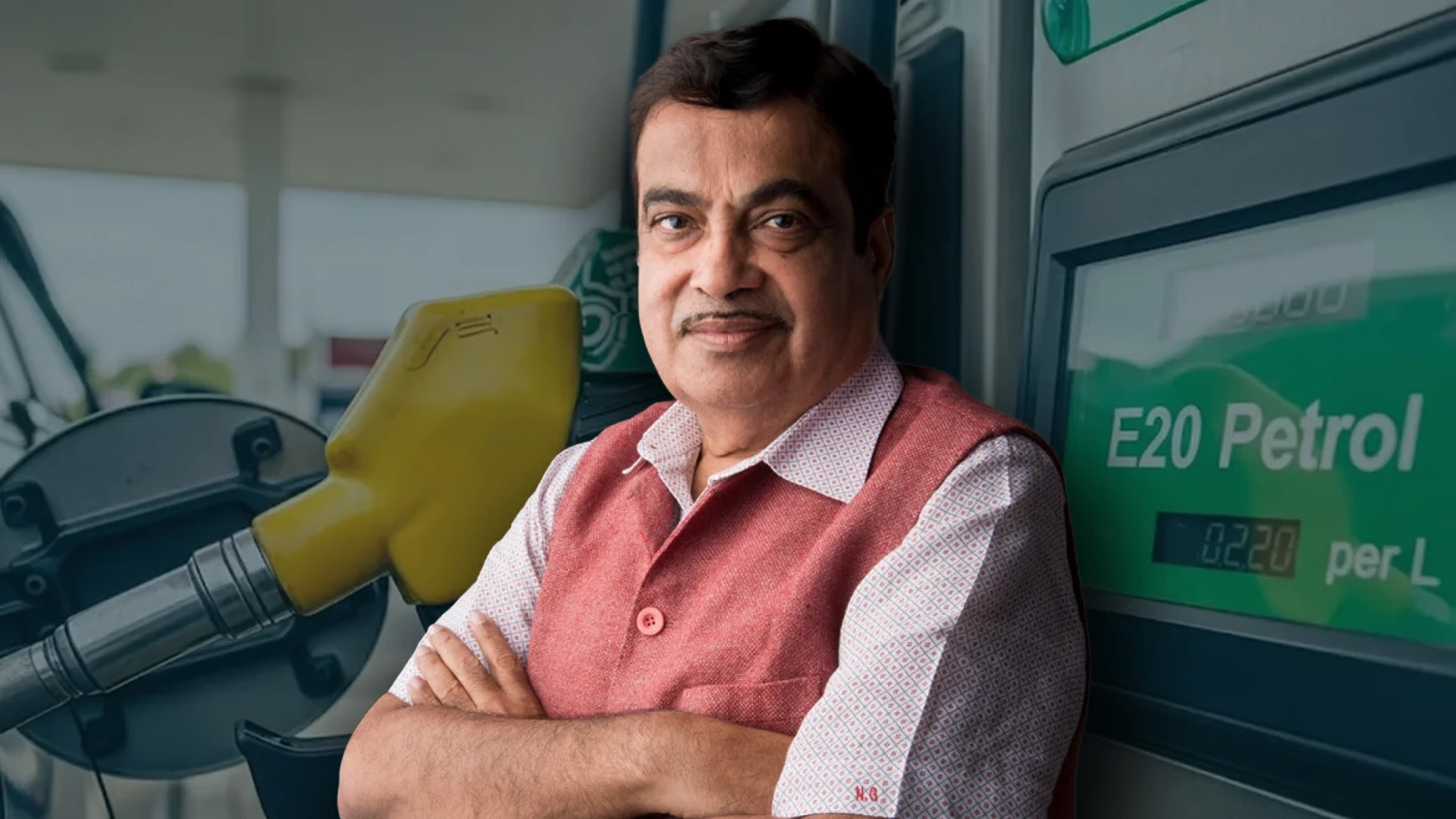
In a recent statement, Nitin Gadkari announced that he has signed the E100 clearance regulations. This move legally authorises the auto manufacturers to develop and sell E100-compatible vehicles. He also added that Toyota, Suzuki, MG, and Hyundai will launch their flex-fuel cars in the next month and a half.
With this move, the Indian automotive industry is set to undergo a major change. Recently, the government inaugurated the first E85 dispensing station in New Delhi, and now E100 has received clearance, clearly hinting that flex-fuel vehicles are the future.
Citing the probability of E100 earlier, Maruti Suzuki and Hero MotoCorp have already launched their flex-fuel vehicles, which include the Wagon R and Splendor, respectively. However, more manufacturers are soon going to launch E100 models in India.
E100 fuel: Benefits and Disadvantages explained
E100, as opposed to E85 or E20, is not pure ethanol, but it is 92-93 per cent Ethanol blended with petrol or fuel additives. The major benefit of E100 is that it is homegrown, and it reduces India’s dependency on the international crude oil market. Second, it produces fewer emissions, and it is cheap to produce and sell.
However, the E100 switch is not as easy as it may sound. Ethanol has different properties compared to petrol, and it is highly corrosive. Hence, the current vehicles that use E20-compliant engines have to undergo a major engine overhaul, including the new fuel supply system, to withstand the corrosive properties and less energy of Ethanol.
Additionally, the energy density of Ethanol is substantially lower. This means it needs to be burned more than petrol, which equates to poor fuel economy. Hence, vehicles running on a higher blend of flex fuel require frequent fuel stops, thus increasing the fuel expenses.
What will happen to the old cars and bikes?
In all this race to become flex-fuel dependent, the Indian government has not considered the old vehicles that are not even E20-compliant. A major part of India’s economy is run by these vehicles, and blending more Ethanol will not only lead to their premature death, but also increase the burden on the average Indian household.
Recently, ICICI Lombard Insurance published a report where the insurer claimed that it has started to receive repetitive claims from non-ethanol-compliant vehicles due to fuel pump or fuel chain-related issues occuring because of corrosion.

