

Key highlights
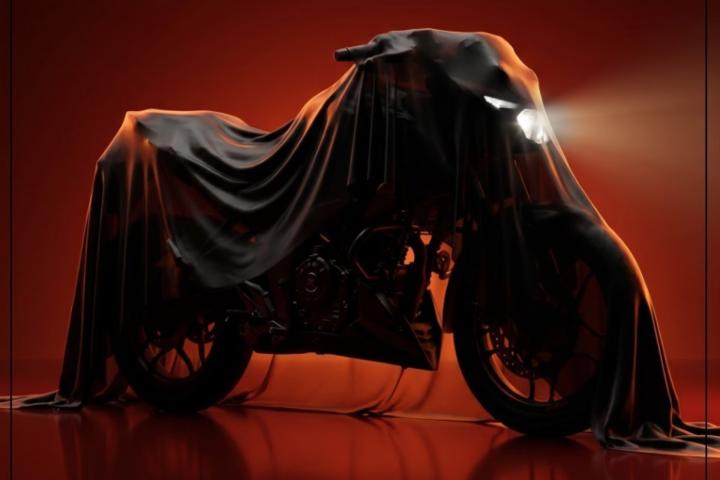
- Next-generation Bajaj Pulsar will make its debut on August 12
- New Pulsar range is expected to include 125cc and 150cc motorcycles
- Bajaj is planning 10 new two-wheeler launches over the next six weeks
Bajaj Auto has confirmed that the next-generation Pulsar will make its debut on August 12, marking one of the most significant updates to the iconic motorcycle family in recent years.
Bajaj is preparing for a rather busy few weeks, with the company planning to roll out 10 new two-wheelers over a six-week period. Among them will be two all-new Pulsar models aimed at the 125cc and 150cc segments.
A new Pulsar, rather than another facelift
The upcoming Pulsars are expected to be based on a new platform, with the company also working on changes to the chassis and suspension. Earlier test bikes spotted on Indian roads have shown a conventional telescopic fork at the front and a rear monoshock, replacing the twin-shock arrangement used by the current Pulsar 125.
That could make the new Pulsar feel considerably more modern than the outgoing motorcycle.
The classic Pulsar design will stay
Despite the new underpinnings, Bajaj doesn’t appear to be throwing the Pulsar’s visual identity out of the window.
The test mule spotted earlier carried familiar Pulsar traits, including a sporty headlamp cowl, muscular fuel tank, tank extensions and a chin fairing. The rear section also gets a split pillion grab rail and a tyre hugger.
125cc and 150cc versions expected
The current Pulsar 125 uses a 124.4cc single-cylinder engine producing 11.6hp and 10.8Nm, paired with a five-speed gearbox. The Pulsar 150, meanwhile, uses a 149cc single-cylinder motor making 13.8hp and 13.4Nm.
There is no official word yet on whether the next-generation bikes will receive significant changes to their engines. Given the focus on a new platform, however, the chassis and overall riding experience could be where the bigger differences are felt.
Bajaj is going all-in on new products
Bajaj Auto has confirmed plans to introduce 10 new two-wheelers within six weeks, including the two new Pulsars and additional Chetak electric scooter variants. The company is also expanding its production capacity, with installed capacity expected to rise from around 7.2 million units annually to more than 9 million units.
Also read: 2026 Ducati Monster design patented in India, launch soon?

