

Key highlights
- Suzuki confirms development of a plug-in range-extender hybrid
- REEV Light will use an electric motor to drive the wheels and an engine as a generator
- The system will use a right-sized battery instead of a large EV-style pack
Suzuki has confirmed plans to develop a new range-extender hybrid with plug-in capability for compact cars. Called REEV Light, the system will build on Suzuki’s upcoming series-hybrid technology and is designed to combine electric driving with the flexibility of a combustion engine.
How Suzuki’s REEV Light system works
Unlike a conventional hybrid where the petrol engine and electric motor can both drive the wheels, Suzuki’s proposed series-hybrid system uses the electric motor as the sole source of propulsion. The combustion engine generates electricity when required.
The REEV Light system adds an external charging facility to this architecture. This means owners can charge the battery from an external power source for shorter journeys. Once the available battery charge is insufficient, the petrol engine can generate electricity and extend the vehicle’s driving range.
Suzuki says the system will use a right-sized battery, rather than carrying a large and heavy battery like a pure EV. The idea is to balance electric driving capability with lower weight, cost and material usage.
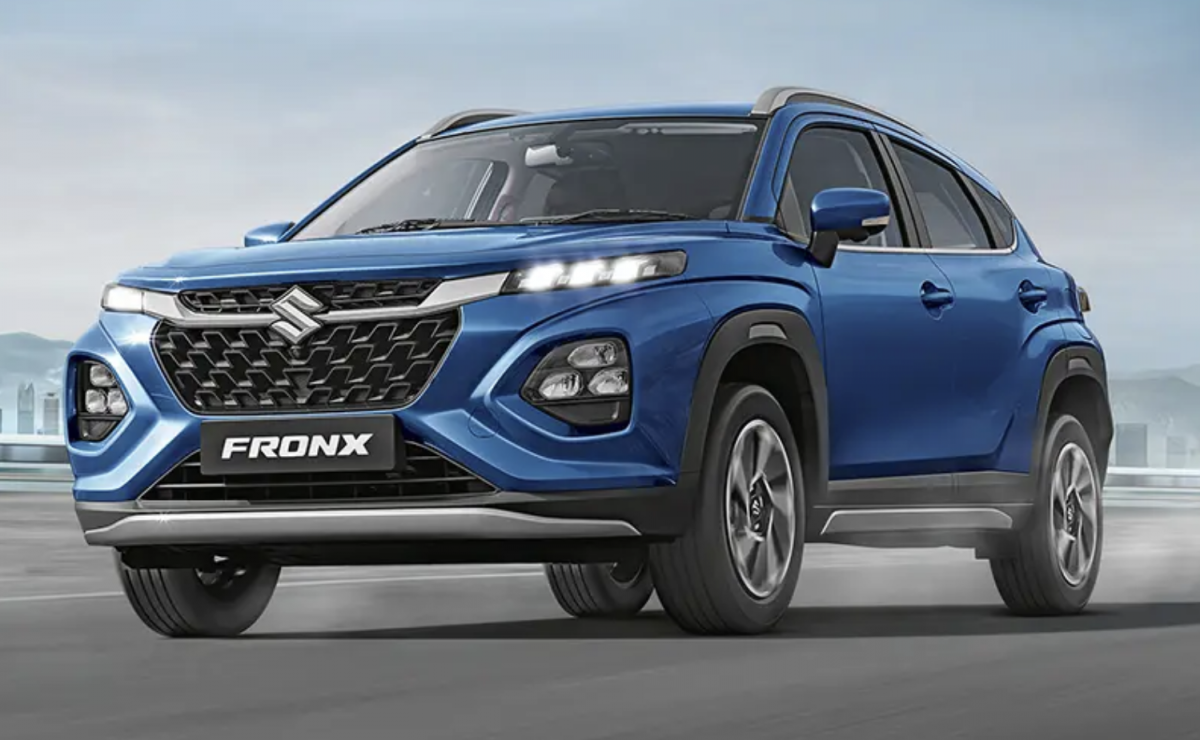
Fronx and Baleno could get the technology
Earlier reports had identified the Maruti Suzuki Fronx and Baleno as potential applications for Suzuki’s compact-car series hybrid. A 1.2-litre, three-cylinder Z12E petrol engine was also reported to be under consideration as the generator.
However, Suzuki has not confirmed either model for the REEV Light system and has not stated whether the Z12E will actually be used. It has also not revealed the battery capacity, electric-only range or performance figures.
Suzuki plans to develop the series hybrid and REEV Light together, allowing the two systems to share core platforms and components. The company estimates its compact-car series hybrid could reduce CO₂ emissions by around 29% compared with its 2022 reference, equivalent to approximately 300 kg over 10,000km.
Also read: Next-gen Toyota Fortuner spied with production-spec LED taillights

