

Key Highlights
- The Central Government has waived excise duty on petrol blended with 22 to 30 percent ethanol, covering E22, E25, E27, and E30 variants.
- The Finance Ministry notification was issued on June 10, 2026.
- E25 was being prepared for a pilot in select cities but has not launched yet.
The government has waived excise duty on higher ethanol-blended petrol. And while that is being presented as a green fuel milestone, most car and bike owners in India have good reason to be concerned.
The Finance Ministry issued a notification on June 10 exempting petrol blended with 22 to 30 percent ethanol from central excise duty. The waiver covers E22, E25, E27, and E30. It makes these blends more commercially viable to produce. The policy intent is clear. India wants to move beyond E20, and this is the financial lever to do it.
But here is the thing. India barely finished rolling out E20, and that experience was not smooth. Millions of vehicles on Indian roads were not designed or certified for E20. Mileage dropped by 2 to 4 percent across most vehicles. Owners complained. A PIL was filed in the Supreme Court. The transition caused real friction, and that was at just 20 percent ethanol.
Now They Want to Go Higher
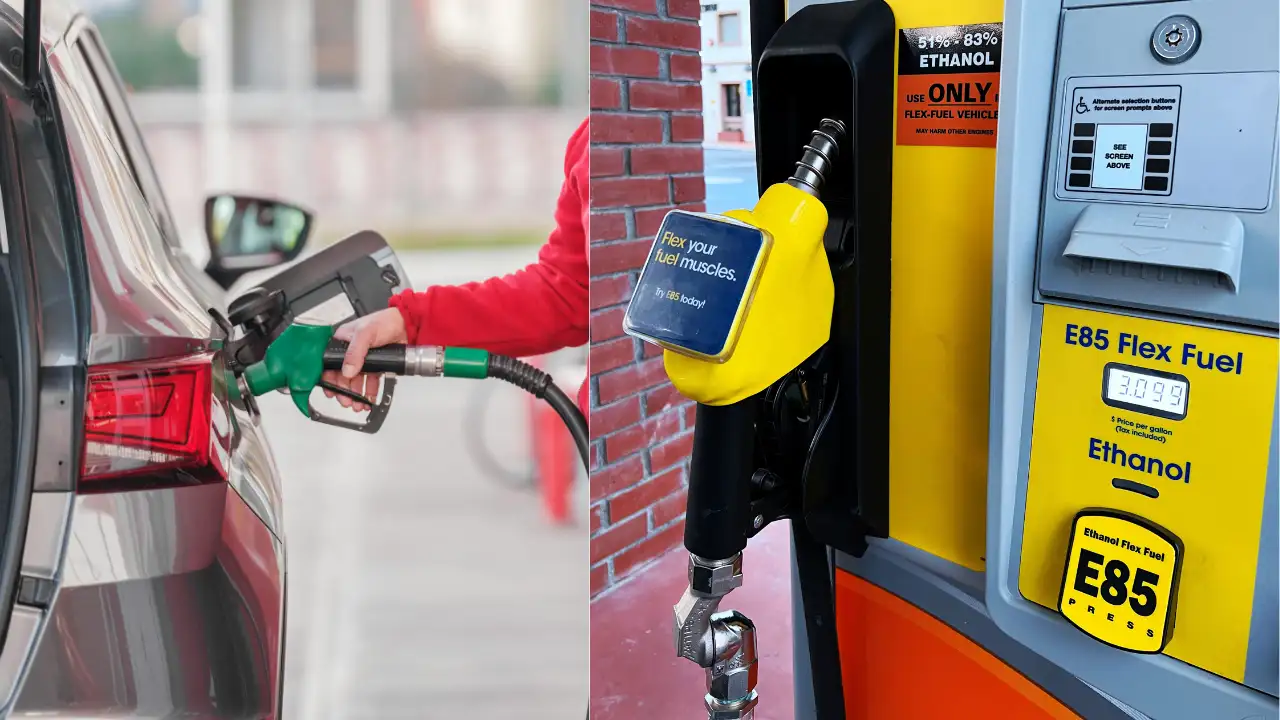
The BIS notified technical specifications for E22, E25, E27, and E30 in May 2026. The excise waiver followed immediately. The government is also rolling out E85. Union Minister Hardeep Singh Puri launched E85 at an Indian Oil Corporation station in New Delhi last week. The plan is 500 E85 dispensing outlets by end-2026 and 5,000 by 2030.
This is moving fast. Perhaps too fast.
Vehicle compatibility is the central problem. Higher ethanol blends require modified engines, different fuel injectors, and recalibrated ECUs. A car built for E20 is not automatically compatible with E25 or E30. If higher blends are introduced without adequate safeguards, the same chaos that accompanied the E20 rollout will repeat itself, at greater scale.
The Silver Lining: No Immediate Rollout
Here is the part that should reassure most drivers for now. No commercial launch date for E25 has been announced. The government was preparing a pilot at select pumps in Delhi-NCR, Mumbai, Bengaluru, Chennai, and Hyderabad, but that has not happened yet. The excise waiver is a supply-side measure, meaning it makes production cheaper. It does not mean E25 is arriving at your pump next week.
This delay is a good thing. It gives automakers more time to ensure vehicle compatibility. It gives consumers more time to understand what higher blends mean for their vehicles. And it gives the government more time to build the infrastructure and regulatory framework properly before pushing the next transition.
Also read: Citroen celebrates 108 years, special offers in India

