

Key highlights
- SIAM withdraws letter on the E20 fuel contamination
- Backs the government’s decision on ethanol blending
- States “its reports are based on unverified and wrongly communicated data”
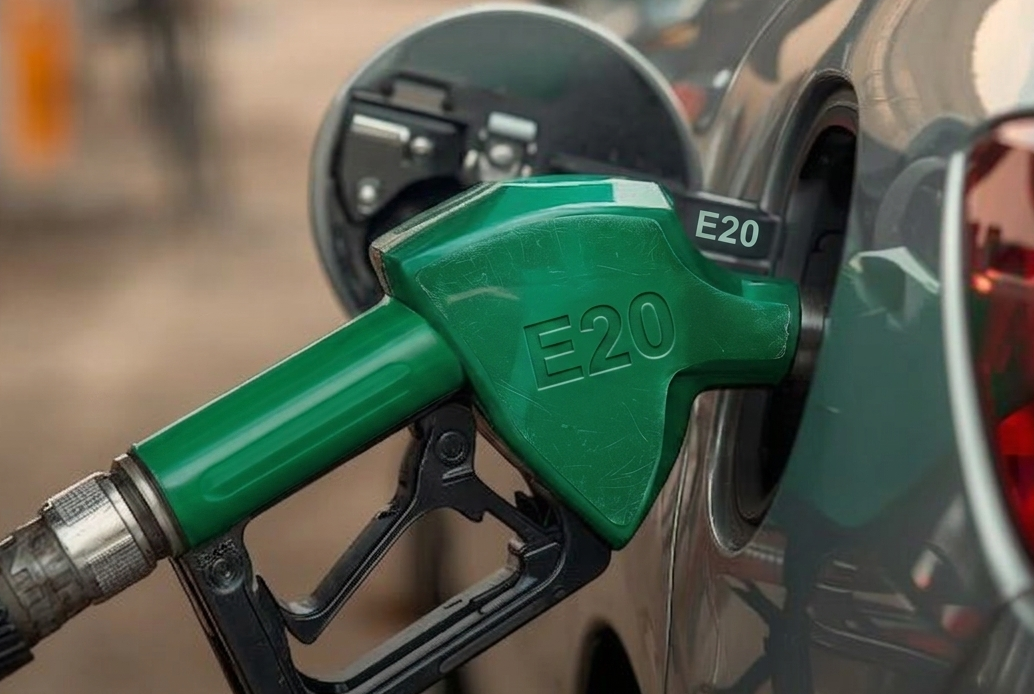
Making a dramatic shift in its statement, the Society of Indian Automotive Manufacturers has withdrawn its letter released on the E20 fuel contamination. SIAM had earlier released a letter on the fuel contamination in the E20 petrol, stating that it has been found to damage the engine components in the long run.
Now, SIAM has withdrawn this letter, stating that the reports that highlighted sulphur and chloride content in the fuel were based on selective examples from one of its communications. SIAM has further stated that it is looking into the matter, and the figures that the report cited need to be further authenticated and should not be viewed in isolation.
SIAM has also stated that it will authenticate the claimed figures by using the help of the OEM members and their expertise, and a comprehensive consultation will be made across the fuel examples taken from all regions of the country. The organisation also stated that fuel contamination is highly difficult, as the fuel is monitored through extensive testing that covers more than 150 checkpoints.
With that said, the fuel contamination issue has been a prolonged matter for decades. Vehicles have faced failed engine components and engine seizures due to contaminated and adulterated fuel from shady fuel station practices. However, it can not be simply denied that the E20 blend is not damaging the old vehicles without E20 engines.
Manufacturers themselves mention in their user manuals that the non-E20 engines should not be feeded ethanol-blended petrol, as it will cause severe damage. However, the government seems to avoiding this fact, and the result is SIAM’s roll back of the letter.
Also read: New Kia Seltos revealed in China with 200 hp turbo-petrol engine

