

Key highlights
- Hyundai Motor India plans to increase women’s representation in its executive workforce from over 8% currently to 20% by 2030.
- Women account for around 45% of the Management Trainees and Engineer Trainees recruited in 2026.
- The company is expanding initiatives covering diversity hiring, career progression, maternity support, leadership development and workplace infrastructure.
Hyundai Motor India has announced a target of achieving 20% representation of women in its executive workforce by 2030, as the company looks to build a more diverse and future-ready workforce.
The vision
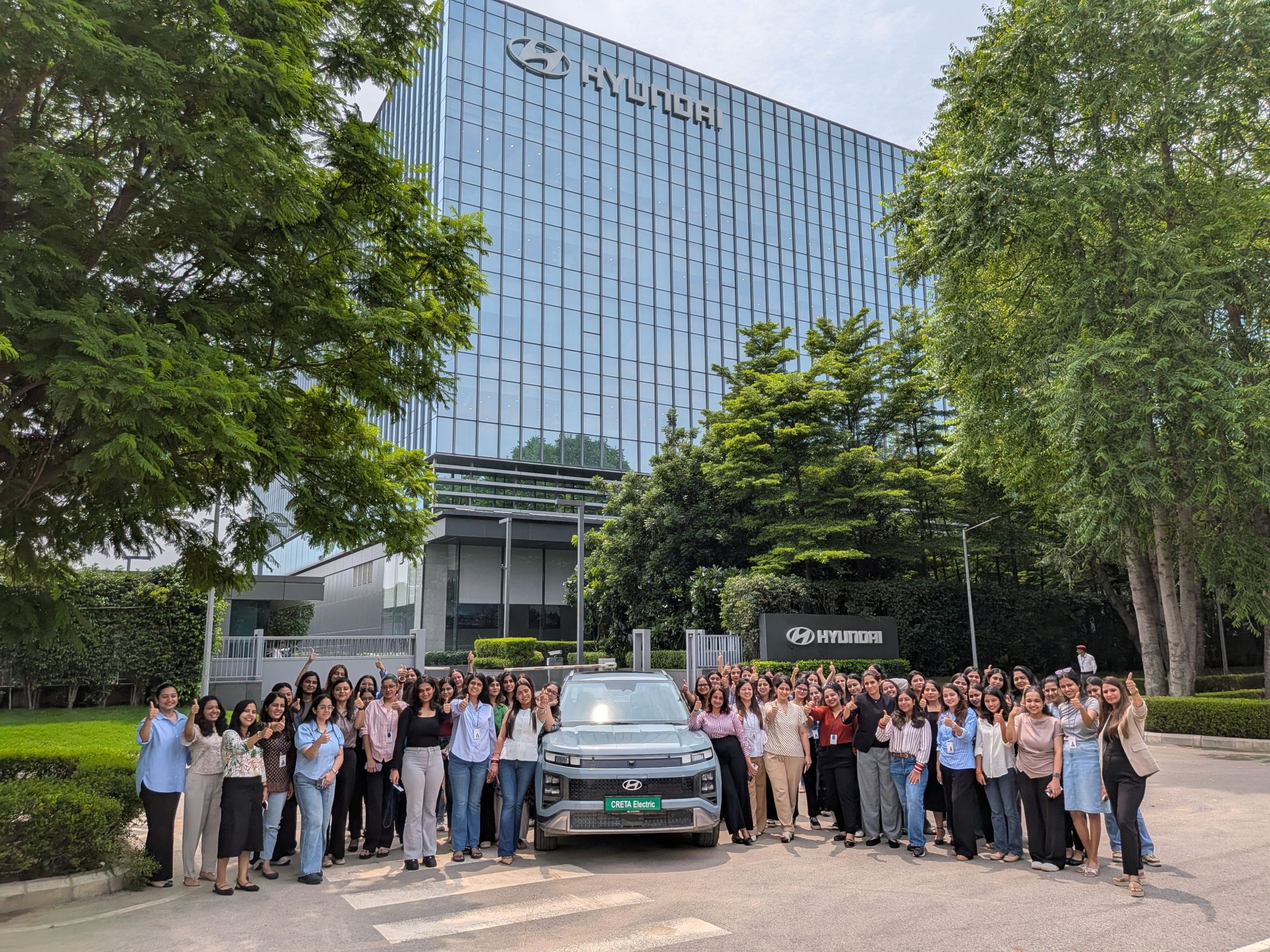
Women currently account for more than 8% of Hyundai India’s executive workforce, which comprises over 4,000 employees. More importantly, the company says around 45% of the young talent recruited in 2026 through its Management Trainee and Engineer Trainee programmes are women. This points towards a potentially larger shift in workforce representation in the coming years.
Hyundai says women are increasingly taking up roles across manufacturing, engineering, R&D, sales, service, corporate functions and leadership. The company believes greater diversity can contribute to innovation, collaboration and long-term business growth.
To support the target, Hyundai India has implemented a Diversity, Equity and Inclusion (DEI) framework covering recruitment, career advancement and leadership development.
Its diversity hiring initiatives include gender-balanced recruitment practices, greater campus outreach and competency-based assessments. The company is also focusing on improving leadership representation. In FY2026, women recorded a 23% promotion or elevation rate within the organisation.

Women @ Work 2.0
Another key initiative is Women @ Work 2.0, which includes maternity and parental support, childcare assistance, workplace flexibility and programmes designed to support employees returning to work. Hyundai has also introduced the TrailblazHER Leadership Initiative, aimed at developing high-potential women professionals through mentorship, capability building and career acceleration.
The company is also investing in workplace infrastructure, including crèche facilities at manufacturing plants, wellness rooms and enhanced safety, mobility and support measures. Women’s health initiatives include preventive healthcare, cancer screening and stress management programmes.
Final thoughts
The 20% target is significant, but the more interesting number may be the 45% representation among Hyundai India’s new young recruits. If that hiring trend continues, the company’s workforce could become considerably more balanced well before 2030.
Also read: Triple-screen car interiors: Do we really need that third screen?

