

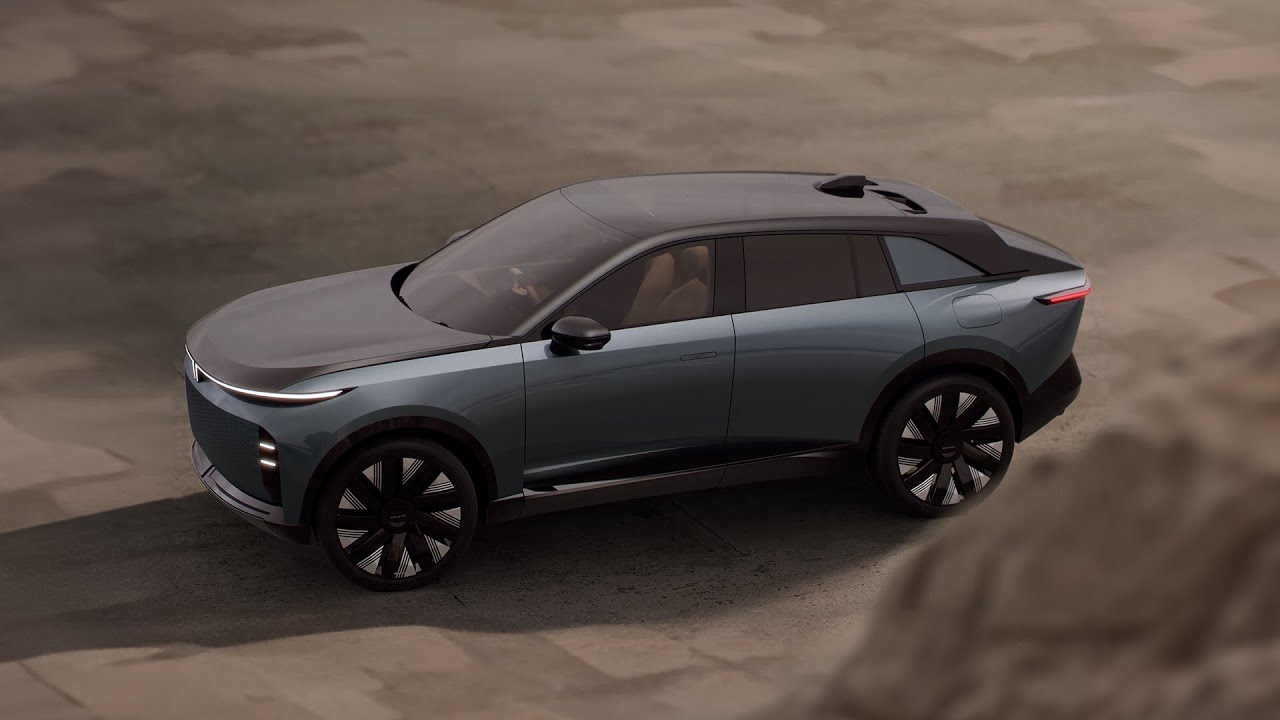
Key Highlights
- Tata Motors Passenger Vehicles is targeting a 20 percent market share by FY2031, up from its current position.
- Annual sales are projected to exceed 1.2 million units, nearly double the 6.4 lakh sold in FY2026.
- The company plans to expand its lineup to 15 nameplates, including 6 new models and over 20 facelifts.
Tata Motors has laid out a five-year roadmap that aims to nearly double its annual sales, expand its lineup significantly, and capture a fifth of India’s entire passenger vehicle market by FY2031.
Revenue is projected to cross Rs 6 trillion, more than double the Rs 3.36 trillion booked in FY2026. Annual volumes are expected to exceed 1.2 million units, up from 6.4 lakh currently. That is the scale of ambition we are talking about here.
Six new models
By FY2031, Tata wants its lineup to grow to 15 nameplates. That includes 6 entirely new models alongside more than 20 facelifts and refreshes across the existing range.
The EV lineup specifically is set to grow from 6 nameplates to 10. EV penetration within Tata’s own portfolio is targeted to exceed 30 percent by FY2031, up sharply from current levels. The Sierra EV, launching on June 30, is one of the first steps in this expansion. It will be Tata’s second dual-motor EV, sitting between the Curvv EV and Harrier EV, with 65 kWh and 75 kWh battery options.

Multi-Powertrain, not just EV
Tata’s strategy is not betting everything on electric. The company expects EVs and CNG vehicles combined to account for more than 45 percent of industry volumes by FY2031.
Tata currently has the widest EV price range in India, spanning Rs 7 lakh to Rs 29 lakh. The plan is to ensure a model exists for every Indian buyer, across price points and body styles.
The Investment and the Competition
Tata plans to invest between Rs 33,000 crore and Rs 40,000 crore through this period, funding both new product development and manufacturing expansion. Production capacity is set to grow from around 9 lakh units currently to 1.3 million units within two to three years.
The competitive pressure is real. Mahindra and JSW MG Motor have both intensified their EV pushes, eating into Tata’s early lead in the segment. India’s overall passenger vehicle market is expected to grow from 4.7 million units in FY2026 to nearly 6.4 million by FY2031, and Tata wants a disproportionately large share of that growth.
Also read: Upcoming Tata Tigor facelift design patent leaked online

