

Key highlights
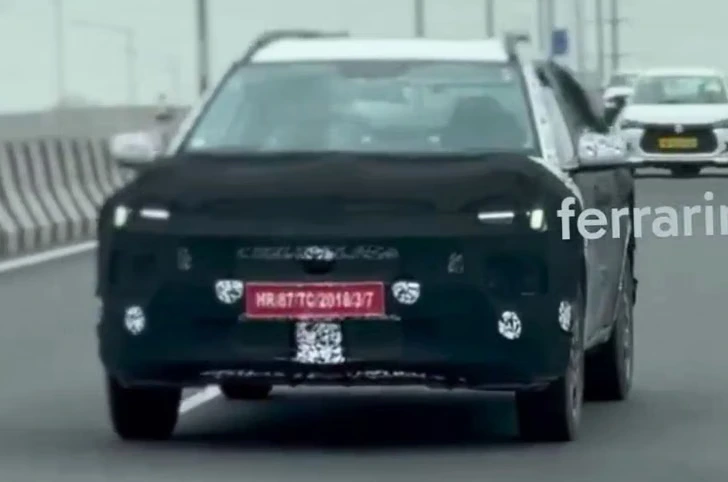
- Hyundai Bayon-based SUV spied once again
- It is scheduled to debut in India by September 2026
- A new 1.2-litre TGDI engine debut is expected
Hyundai’s next big launch for the Indian consumers will be a crossover SUV based on the global-spec Bayon. This upcoming crossover was recently spotted testing on the road with camouflage, revealing interesting and new details. Know what to expect from this upcoming Hyundai SUV below.
Also read: Upcoming Mahindra Vision S spied once again, launch next year
What to expect from the upcoming Hyundai Bayon-based SUV?

The upcoming SUV from Hyundai will be a Bayon-based model. There has been a lot of debate regarding its design and size, but the latest spy shots clear the air that it will fall in the same category as the Maruti Fronx. However, it will be a bit bigger, but we expect it to be under 4-metre mark.
Leaving the size aside, Hyundai has codenamed it Bc4i, and it will be launched in India in the Q2 FY2027, which means by the end of September 2026. It will be positioned aside the Venue, but the whole point of this car will be luxury and comfort along with more performance than the segment rivals.

Online rumours also suggest that Hyundai will debut a new 1.2-litre TGDI turbo petrol engine with this SUV. If so, it will become the most powerful car in the segment that it targets. The 1.2-litre Kappa engine is likely to be offered on its lower trims, while the possibility of a diesel powertrain can not be ruled out.
The spy shots seen here reveal a sharp design. Although the test car is covered, the sleek LED daytime running lights on the front are clearly visible. These are definitely different than the global-spec Bayon SUV, and these fall more in line with the new Venue’s front profile.
The crossover test car has a wider stance, and side profile is almost similar to the Bayon itself. The rear end is completely covered, but the tall stance is not hidden, and so are the sleek LED lights at the rear.
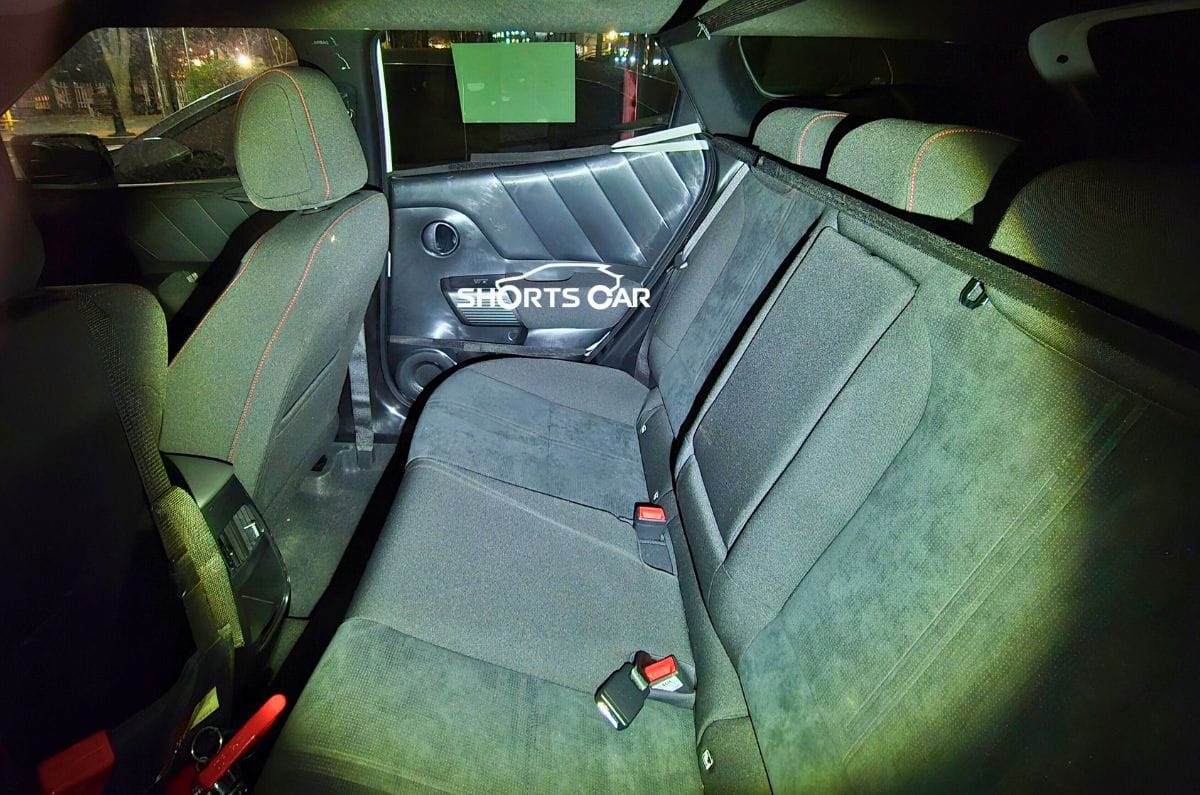
Previous spy shots have revealed a bit of its interior design. It will be fairly bigger than the i20, and the rear seat space will not be compromised, as we see on most compact SUVs. Additionally, the global-spec test mules spotted earlier were seen with ADAS module, hinting the safety package of the top-spec variants.
Hyundai is most likely to position it as a premium crossover, which means it could very well be priced like the Kia Syros. However, unlike the latter, this car will focus on style quotient as well.

