

Key highlights
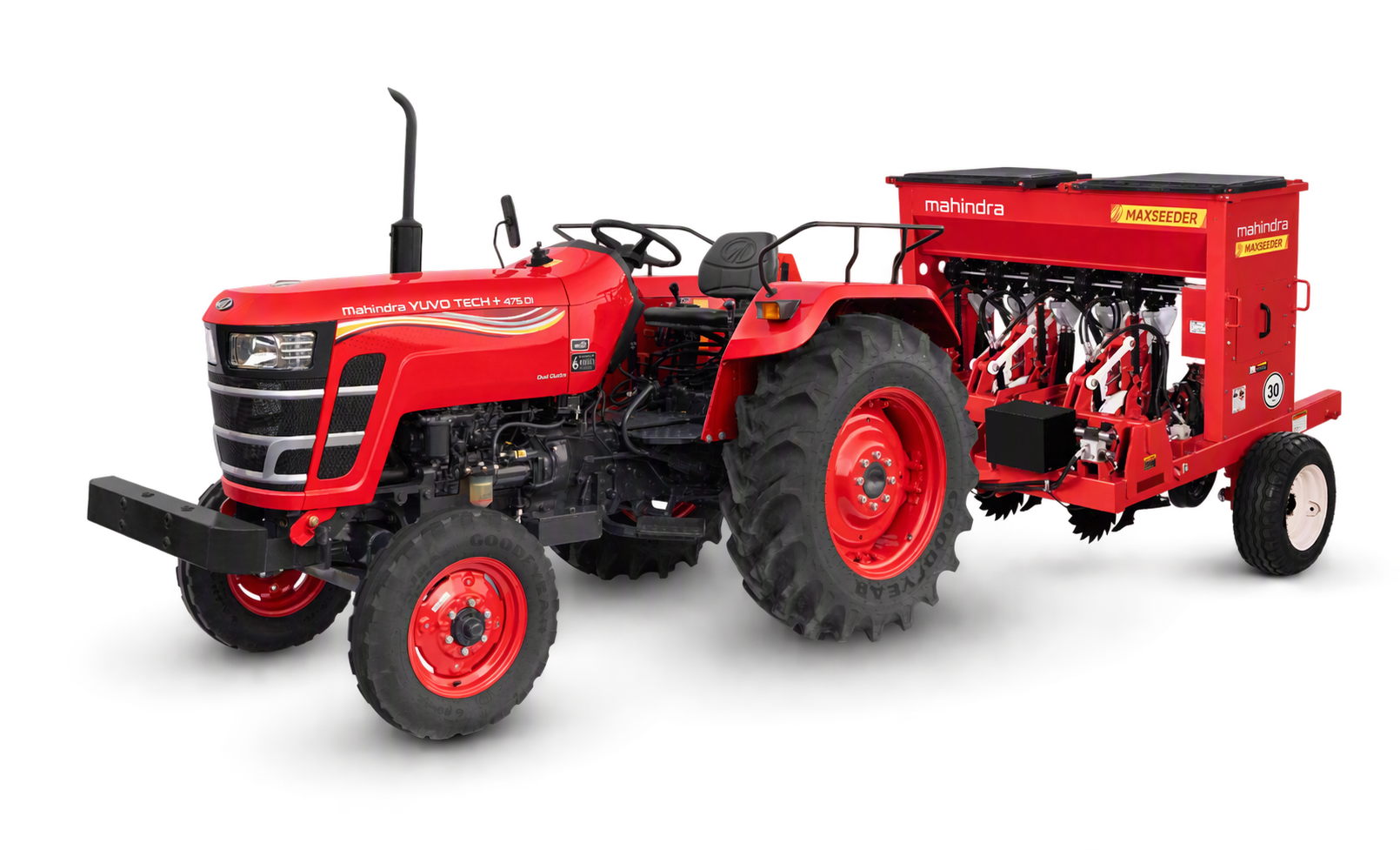
- Mahindra has started commercial production of the MaxSeeder, a precision zero-till seeding machine developed under licence from Canada’s Clean Seed Technologies.
- The machine can sow crops such as rice, wheat, soybean, maize and cotton, and is compatible with tractors rated at 35 HP or above.
- Production takes place at Mahindra’s Pithampur plant, with the initial rollout planned through dealerships in Punjab and Haryana.
Mahindra & Mahindra has started commercial production and supply of the MaxSeeder, a multi-crop seeding machine designed to help farmers sow directly into crop residue without conventional tillage.
Development and use case
Developed using technology licensed from Canadian company Clean Seed Technologies, the machine aims to reduce the need for stubble burning while improving the efficiency of seed and fertiliser use.
The launch is particularly relevant to Punjab and Haryana, where paddy stubble management remains a major agricultural challenge. By allowing farmers to sow directly into paddy residue with minimal soil disturbance, the MaxSeeder offers an alternative to burning residue before the next crop cycle.
Mahindra says field trials in the two states demonstrated the machine’s ability to work through heavy paddy residue while reducing input consumption.
Compatibility
The MaxSeeder is a tractor-trailed machine that can operate with tractors producing 35 HP or more. This could make precision seeding accessible to farmers who do not own higher-horsepower tractors.
Its five independent planting row units feature adjustable row spacing and multiple configurations to suit different crops and field conditions. The machine is designed for cereals, pulses, cotton and maize, with the flexibility to adapt to different sowing requirements..
Money and time saviour
Zero-till sowing reduces the need for multiple field preparation operations. This can save fuel, labour and time, particularly when farmers have a narrow window to sow the next crop. The MaxSeeder is also designed to reduce seed wastage and fertiliser consumption. These benefits could improve farm economics, although actual savings will depend on crop type, field conditions and operating practices.
Mahindra will manufacture the machine at its dedicated farm machinery plant in Pithampur, Madhya Pradesh. The company plans a phased rollout through its Farm Equipment Business dealerships, starting with Punjab and Haryana before expanding to other markets.
Also read: 2026 Toyota Glanza facelift teased, launch on October 14

